


Inside the Amazon: Centuries of Spiritual Survival

Updated: Mar 31
The Restored Lands Advocate
Part 3 of 3: Inside the Amazon Series
by Liyana Zaman
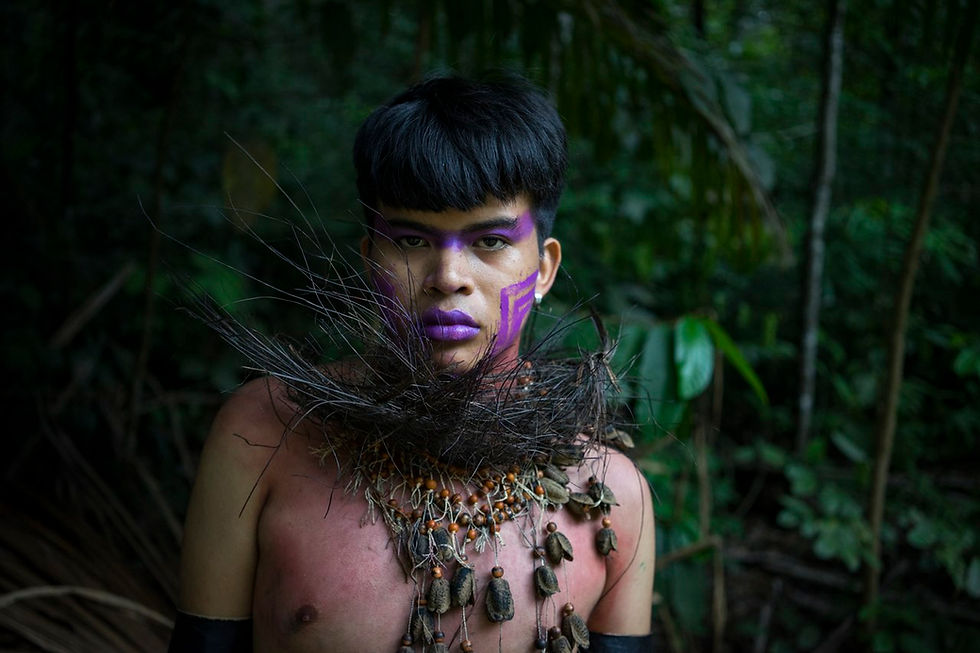
The Amazon Rainforest is more than a source of food, water, and shelter. It is the spiritual and cultural heartbeat of the hundreds of Indigenous communities who have lived within it for thousands of years, and where the spirit of the jungle shapes daily life. Here, the land is not simply territory but a living system of spirits, stories, and relationships. Rivers carry memory, trees hold knowledge, and animals move through both the physical and spiritual worlds, influencing lifestyles in ways modern society rarely understands.
Who Calls the Amazon Home
Today, more than a million Indigenous people live throughout the Amazon Rainforest, belonging to over 400 distinct cultural groups across nine South American countries, each with their own ways of life. While many communities interact with the outside world to varying degrees, others purposefully remain isolated where dense foliage, winding rivers, and vast distances make outside contact rare. These groups are often referred to as “uncontacted,” choosing distance from modern society in order to preserve their traditions, languages, and lifestyle. Brazil–an indeginous hotspot–located in the heart of the rainforest, is home to around 100 uncontacted tribes, more than any other country in the world (Survival, 2026).
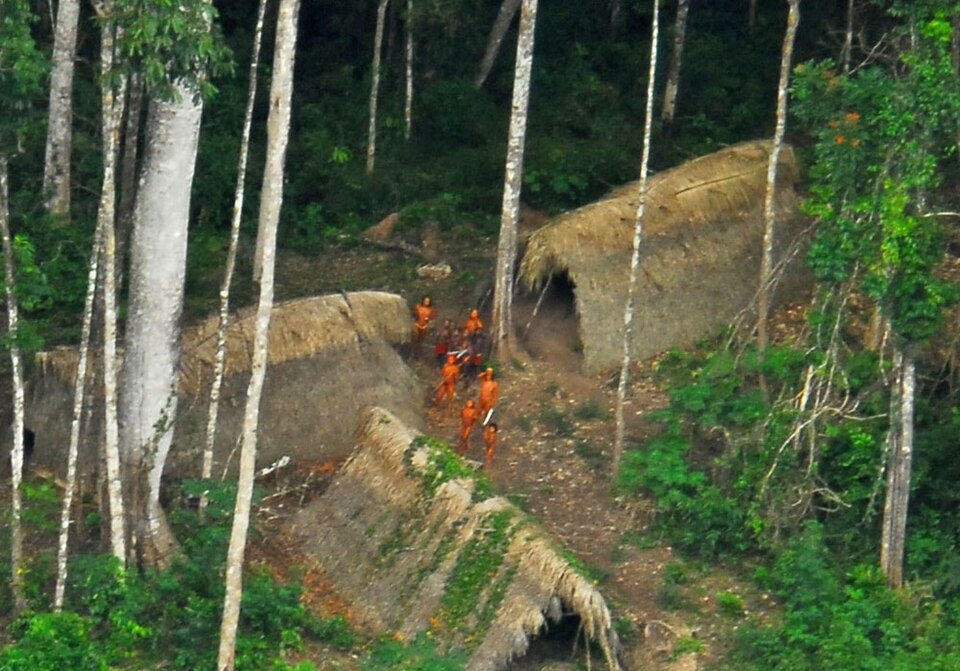
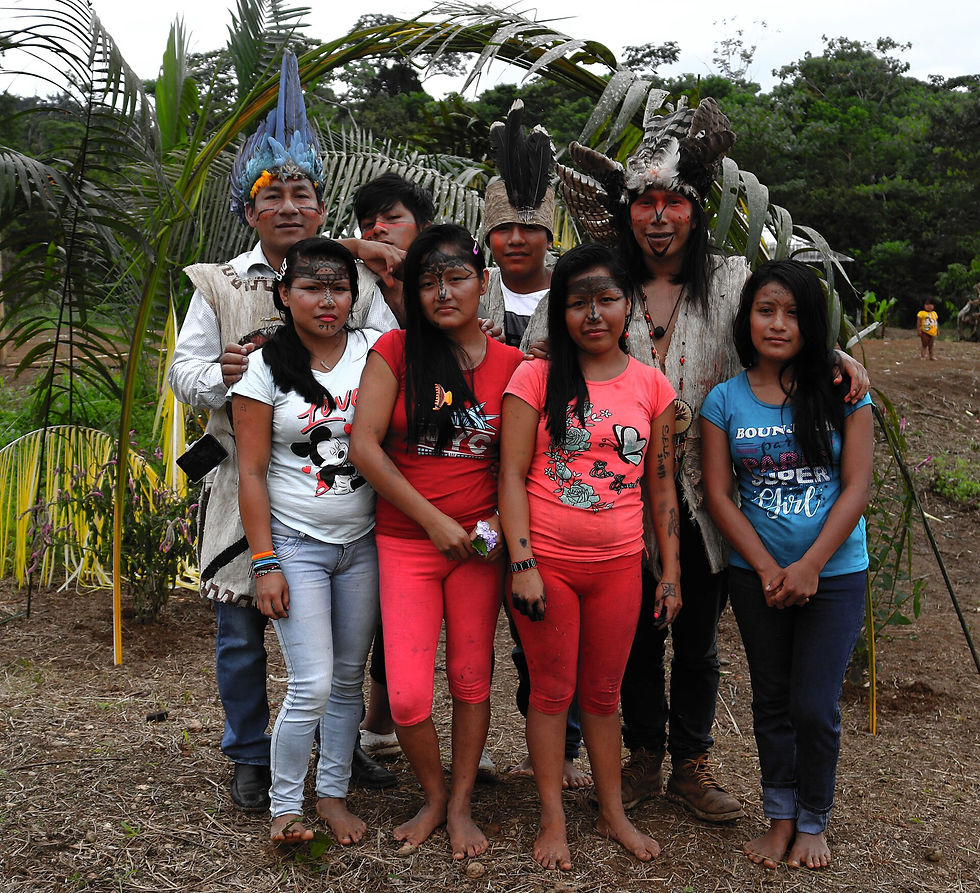
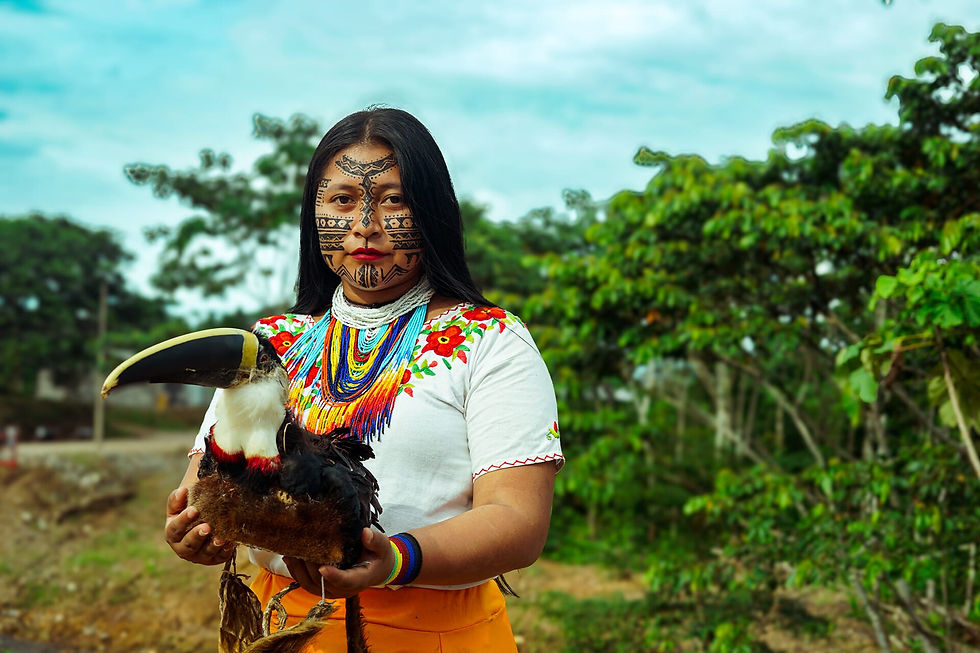
Whether settled along the rivers of the Amazon basin or deep inside the trees, tribes vary widely in how the exist. Uncontacted groups often practice nomadic lifestyles in some of the most remote parts of the rainforest, relying almost entirely on knowledge passed down through generations rather than trade or collaboration with the outside world. Some go about their days without clothing, while those who have made contact with the modern world tend to wear garments commonly made from the animals they catch, such as feather headdresses from macaws and leather crafted from animal hides. In other, more evolved areas, villages have gradually incorporated modern tools such as schools, radios, and limited internet access, allowing some members to use cell phones to take photographs, contact relatives across distant rivers, or make emergency calls in the instance of fatal snake bites (Nicas, 2024). Despite these differences, daily life in the Amazon is guided by the rhythms of nature, where survival, community, and respect for living ecosystems remain central forces.
An Average Day in the Amazon
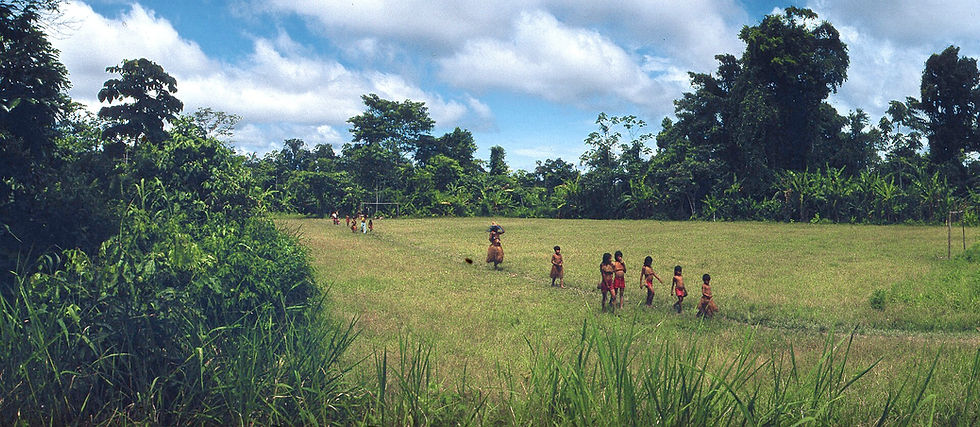
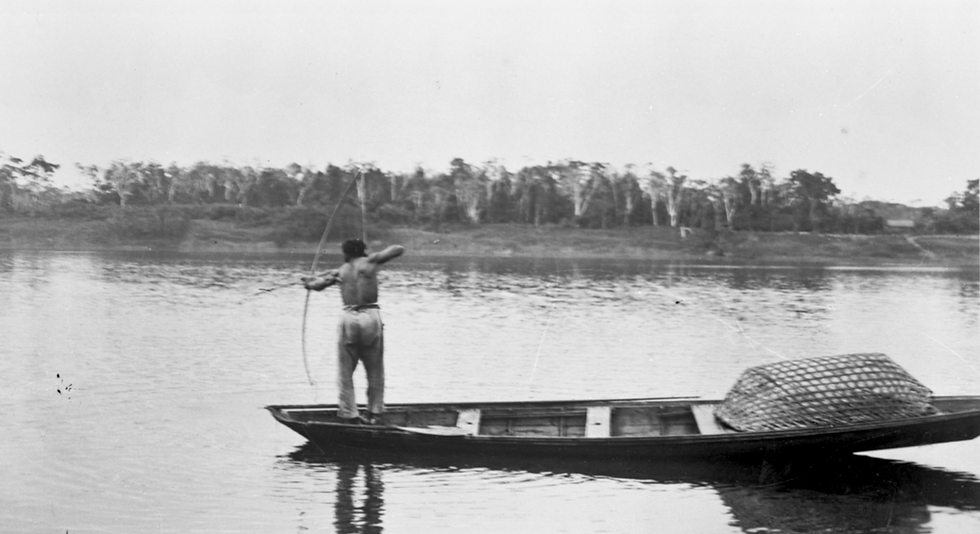
Mornings begin with fishing along wide rivers, crafting provisions, or tending to small gardens of maize, fruit, and medicinal plants; while fibers and wood are woven into baskets, tools, and shelter. As the day continues, responsibilities are shared among the community. Women often gather, cook, and craft, while the men can be found searching the woods, hunting for animals such as birds, monkeys, or wild pigs, using techniques passed down through generations. Children spend much of their day learning by observing the adults around them. Some play along riverbanks or make small toys from leaves and sticks, while others begin practicing important skills like weaving, fishing, or tracking animals alongside their elders.
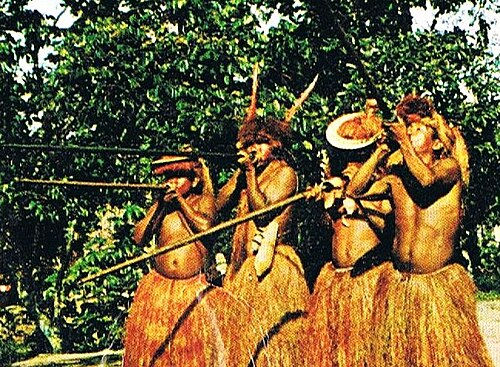
Even communication reflects this intimacy with the land. Indigenous people seamlessly mimic animal calls, from the piercing cry of a macaw to the distant howl of a monkey, so precisely that an outsider would never know human voices were hidden within the sound. This can be used as a form of communication amongst tribes while stalking, observing, or planning their next moves, remaining effectively invisible and undetectable.
Here, the rainforest is more than an ecosystem, it is both teacher and provider. Knowledge, food, and spiritual traditions are shared through daily practice, and survival depends on maintaining balance with the living world that sustains them.
Medicine Yet to be Discovered
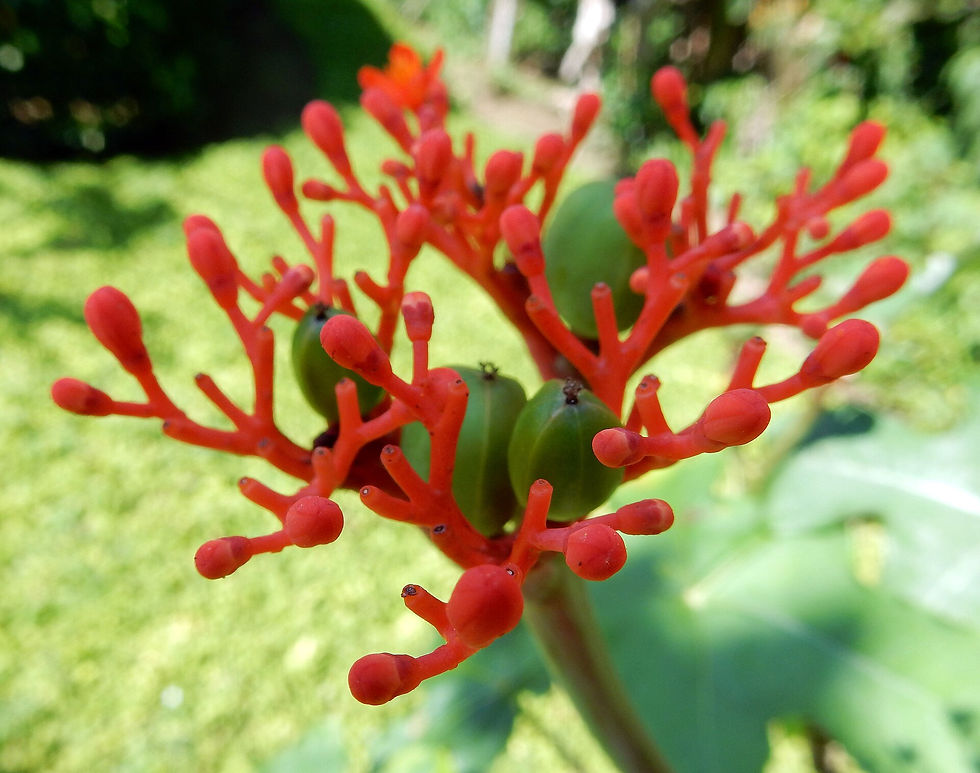
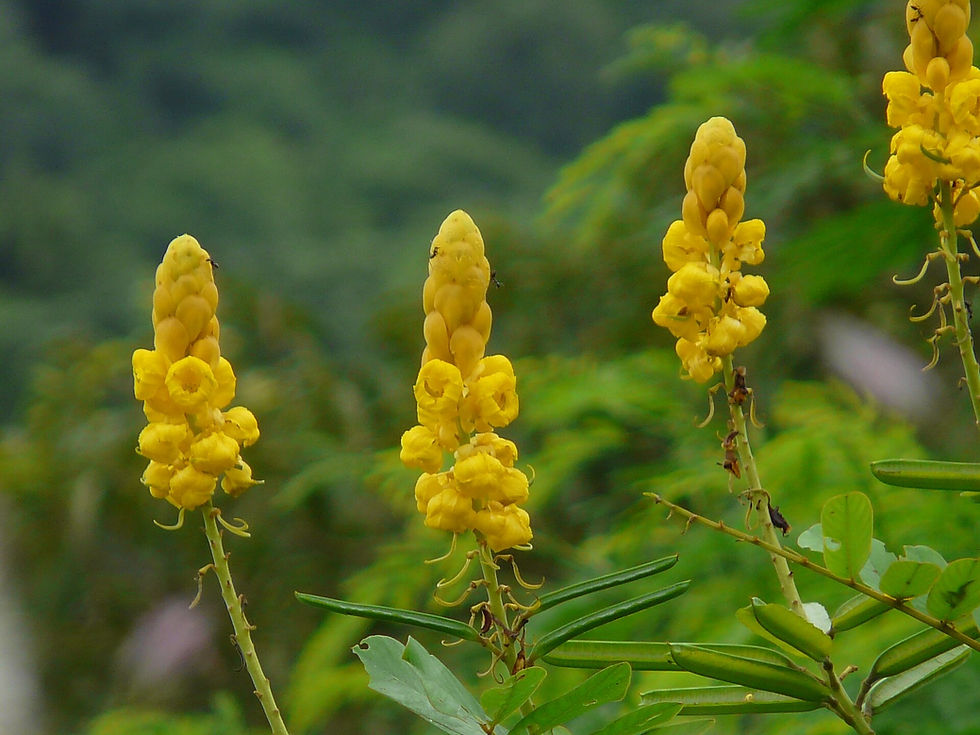
Beneath layers the branches, grow plants whose properties modern science has barely begun to explore. Although researchers estimate that less than 1% of the Amazon’s medicinal plants have been discovered, Indigenous healers, often referred to as shamans, have relied on roots, bark, fungi, and leaves to treat illness and injury for generations. Through centuries of observation and practice, shamans have developed a complex understanding of how plants interact with the human body, using certain leaves to reduce fever, preparing bark to treat infections or digestive illness, and incorporating other plants into ceremonial practices meant to strengthen spiritual balance between individuals and the natural world. This knowledge is rarely written down, instead, it is passed down orally through manygenerations, where younger members of the community learn by observing experienced healers and gradually develop their own understanding of the rainforests’ resources. In many communities, these healing traditions are deeply tied to spiritual beliefs, where illness is not only seen as a physical condition but also as an imbalance between the individual, the community, and the surrounding rainforest. Scientists are increasingly recognizing that this traditional knowledge may hold valuable insights for modern medicine, reinforcing the idea that the rainforest still contains countless discoveries waiting to be understood.
Sacred Sites and Reciprocity
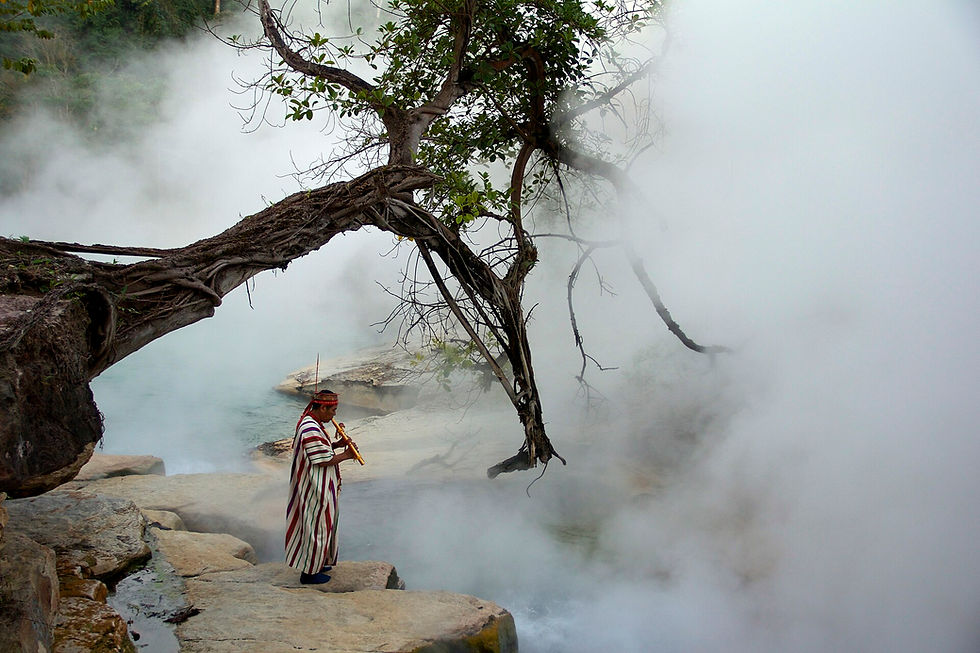
Sacred spaces in the Amazon Rainforest are not always marked by carved temples or stone monuments. Instead, they are entwined directly into the landscape in bends of rivers, quiet clearings beneath towering trees, and mountains that rise unexpectedly from the flat rainforest floor.
Rivers, in particular, are believed to hold ancestral spirits such as Yacumama, the “Mother of Water,” a powerful serpent said to guard certain waters (Zengiaro, 2025). Before entering rivers, some tribes blow into a conch horn as a gesture of respect and protection from the unseen forces believed to dwell there.
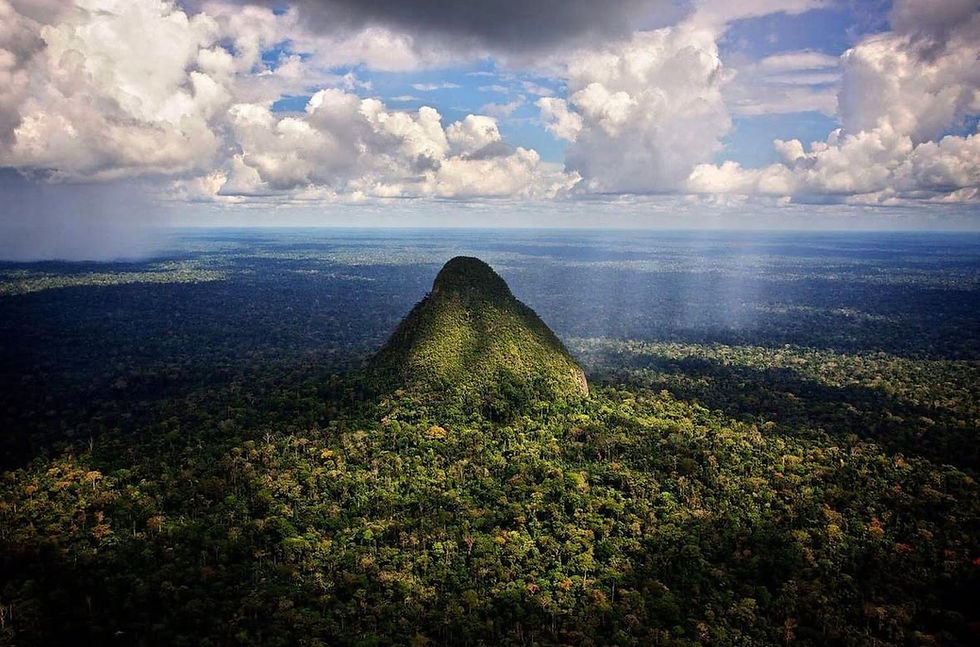
Ancient tree groves also serve as ceremonial grounds where rituals honoring animal spirits and ancestors connect present generations to those who came before them. In these places, shamans guide ceremonies and pass down sacred knowledge, reinforcing a worldview rooted not in domination of nature, but in symbiosis with it. Even prominent features of the landscape can hold spiritual meaning. In Peru, the pyramid-shaped mountain known as El Cono rises abruptly from the surrounding rainforest and is regarded by some communities as a guardian presence watching over the land (Pare, 2025). Its mysterious presence reflects how spiritual meaning is drawn directly from the landscape itself.
Rather than centering belief on a single deity, many Indigenous cosmologies emphasize reciprocal relationships in which humans are not separate from nature, nor superior to it. Balance is maintained through everyday acts of restraint, gratitude, and responsibility, reinforcing the understanding that survival depends on giving back to the rainforest as much as one takes.
Animals as Spiritual Guides
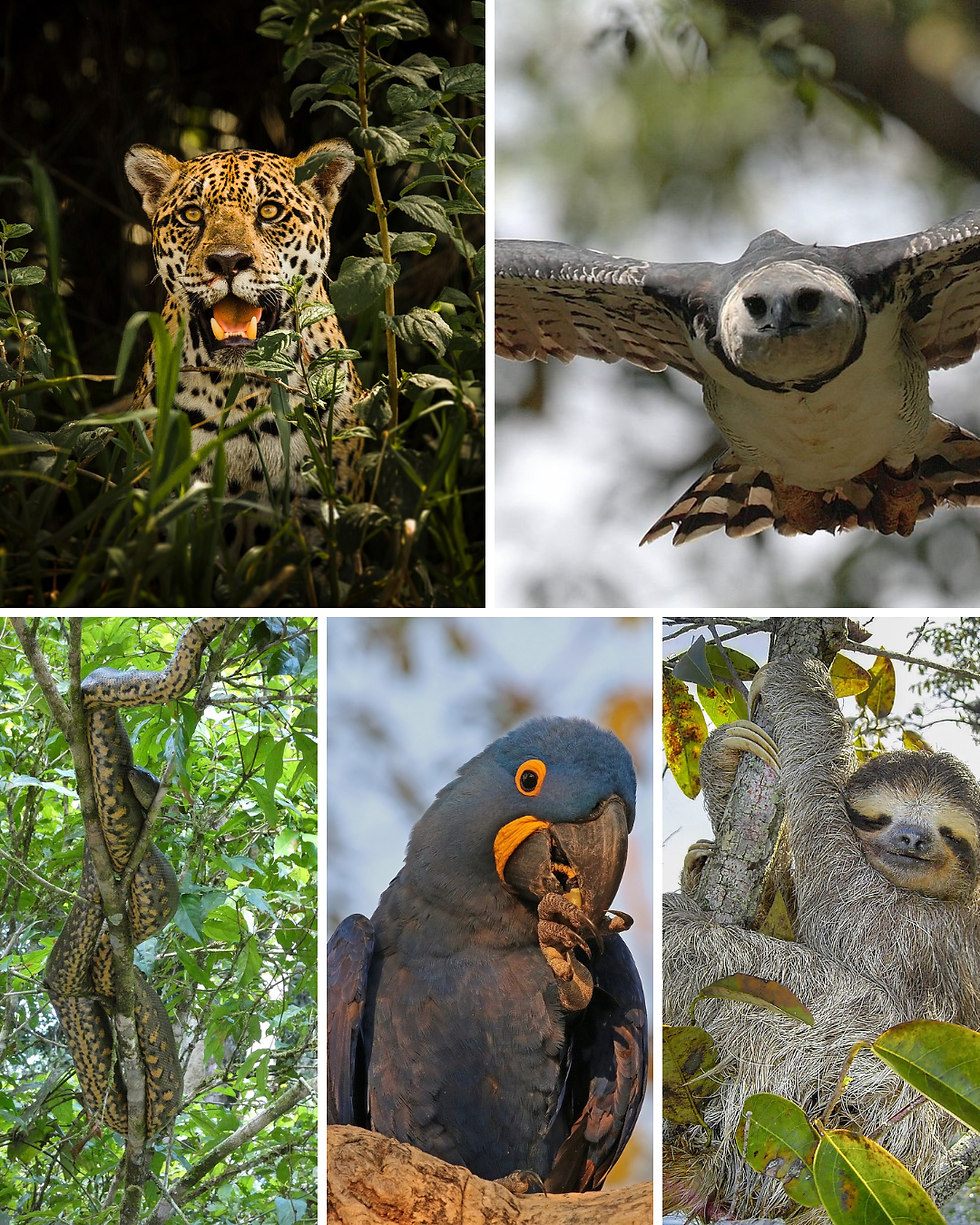
This rainforest is home to an extraordinary range of wildlife, where animals move through the jungle as constant companions to the souls that live there. For many Indigenous cultures, these creatures are not simply part of the surrounding ecosystem but are understood as spiritual guides whose presence carries deeper meaning. Stories, ceremonies, and everyday encounters with wildlife connect animals to lessons about courage, transformation, patience, and balance. By observing the movements and habits of these beings, generations have learned not only how to survive within the rainforest, but also how to understand the values and responsibilities that come with living among it.
Spirit Animals of the Amazon:
Jaguars: represents courage in the face of the unknown and mastery over unseen forces. Its presence in stories often symbolizes protection, strength, and fearlessness.
Anacondas: reflects transformation and the cyclical nature of life. Shedding its skin becomes a powerful reminder of rebirth and change.
Harpy Eagles: expresses clarity and elevated vision. It is often seen as a messenger between realms, symbolizing insight and spiritual awareness.
Macaws: portrays communication and self-expression. Its voice echoes across the rainforest as reminders of connection and community.
Sloths: exhibits patience and intentional living. Its slow movement serves as a quiet lesson in conserving energy and moving thoughtfully through the world.
Listening to the Rainforest
The Amazon does not feel sacred because it is untouched, it feels sacred because it is lived in, spoken to, listened to, and respected. For generations, Indigenous communities have built their lives around a relationship with the rainforest that values balance rather than control or manipulation. Their knowledge offers an important lesson to the global community, one that modern society often overlooks, treating nature as something to be extracted or profited from. Indigenous living demonstrates that survival can depend on cooperation with the environment instead of domination over it. By surrendering themselves to the flow of the rainforest and respecting its limits, they have preserved cultures, ecosystems, and traditions that continue to endure today.
The rainforest does not ask to be worshipped, it asks to be understood.
Learn more about Indigenous people in the Amazon with these videos:
Or, dive into movie night with Ainbo: Spirit of the Amazon (2022)
Has this been your first Inside the Amazon series read? The Restored Lands Advocate has published 2 more articles bringing you in on what's happening in the Amazon–from the good to the bad–and even gives a call to action to those who wish to support the Amazon Rainforest on the next level.
If you have enjoyed this 3 part Amazon Rainforest series, check out some of our others articles and consider subscribing to The Restored Lands Advocate.
Written by: Liyana Zaman
Edited by: Henry Passerini

Liyana Zaman is from Long Island, New York, currently pursuing a degree in Psychology at New York University on the pre-law track, with hopes of working in environmental law in the future. With a deep passion for environmental awareness and strong interested in how advocacy, education, and policy can create change, she is excited to contribute to the Restored Lands mission and protect our environment for generations to come!
References
Amazon Conservation Association. “Wildlife in the Amazon Forest.” Amazon Conservation Association, 2024, www.amazonconservation.org/what-we-do/protect-wild-places/birds-wildlife/.
Aqua Expeditions. “Amazon Rainforest Tribes.” Aqua Expeditions, 12 Apr. 2024, www.aquaexpeditions.com/blog/amazon-rainforest-tribes.
Bogaard, Cecilia. “The Legendary Yacumama Is a Cryptozoologists Dream Come True.” Ancient Origins Reconstructing the Story of Humanity’s Past, 22 Mar. 2024, www.ancient-origins.net/weird-facts/yacumama-serpent-0020539.
https://www.facebook.com/EarthJournalismNetwork. “Gold Mining Desecrates Sacred Sites and Damages Health in Kichwa Ancestral Lands.” Earth Journalism Network, EJN, 11 Sept. 2024, earthjournalism.net/stories/gold-mining-desecrates-sacred-sites-and-damages-health-in-kichwa-ancestral-lands.
Moreno, Manny. “Supernatural Figures Highlight the Spiritual Complexity of the Amazon.” The Wild Hunt, 19 Aug. 2024, wildhunt.org/2024/08/supernatural-figures-highlight-the-spiritual-complexity-of-the-amazon.html. Accessed 6 Mar. 2026.
Nicas, Jack, and Victor Moriyama. “The Internet’s Final Frontier: Remote Amazon Tribes.” The New York Times, 2 June 2024, www.nytimes.com/2024/06/02/world/americas/starlink-internet-elon-musk-brazil-amazon.html.
Pare, Sascha. “El Cono: The Mysterious Sacred ‘Pyramid’ Hidden Deep in the Amazon Rainforest.” Live Science, 2 May 2025, www.livescience.com/planet-earth/geology/el-cono-the-mysterious-sacred-pyramid-hidden-deep-in-the-amazon-rainforest.
qswyh. “Paradise Yakari.” Paradise Yakari, 23 Jan. 2025, paradiseyakari.com/a-day-with-the-amazons-indigenous-families/. Accessed 6 Mar. 2026.
Rainforest Expeditions. “Gold of the Jungle: Medicinal Plants in the Amazon Rainforest.” Rainforest Expeditions, 25 Aug. 2018, www.rainforestexpeditions.com/gold-of-the-jungle-medicinal-plants-in-the-amazon-rainforest/.
Survival International, and Survival International. “Uncontacted Indigenous Peoples of Brazil.” Survivalinternational.org, 2021, www.survivalinternational.org/peoples/uncontacted-brazil.

Comments